Essential Home Gardening Tips for Indian Homes
- Sherdeep singh
- Jun 16
- 4 min read

Gardening at home is a rewarding and relaxing activity. It brings fresh air, greenery, and even fresh produce right to your doorstep. Whether you have a small balcony or a spacious backyard, you can create a thriving garden with the right approach. I want to share some essential home gardening tips that work well in Indian homes. These tips are simple, practical, and easy to follow. They will help you grow healthy plants and enjoy your green space every day.
Easy Home Gardening Tips for Beginners
Starting a garden can feel overwhelming, but it does not have to be. Here are some easy home gardening tips to get you started:
Choose the right plants: Pick plants that suit your climate and space. For Indian homes, native plants and herbs like tulsi, mint, coriander, and curry leaves grow well.
Use good soil: Healthy soil is the foundation of a good garden. Use a mix of garden soil, compost, and sand for proper drainage.
Water wisely: Water your plants early in the morning or late in the evening to reduce evaporation. Avoid overwatering as it can harm the roots.
Sunlight matters: Most plants need at least 4-6 hours of sunlight daily. Place your pots or garden beds where they get enough light.
Start small: Begin with a few pots or a small patch. This helps you learn and manage your garden better.
These tips will help you build confidence and enjoy the process of gardening. Remember, patience is key. Plants take time to grow and flourish.

Choosing the Best Plants for Your Garden
Selecting the right plants is crucial for a successful garden. Indian homes have diverse climates, so choose plants that thrive locally. Here are some popular options:
Herbs: Tulsi, mint, coriander, and basil are easy to grow and useful in cooking.
Vegetables: Tomatoes, spinach, ladyfinger (okra), and green chilies grow well in pots or small beds.
Flowers: Marigold, hibiscus, and jasmine add color and fragrance.
Indoor plants: Money plant, snake plant, and aloe vera are low maintenance and improve air quality.
When choosing plants, consider the space you have and the care they need. Some plants require more sunlight and water, while others are hardy and low maintenance. Group plants with similar needs together for easier care.
Which Plant Will Grow in 7 Days?
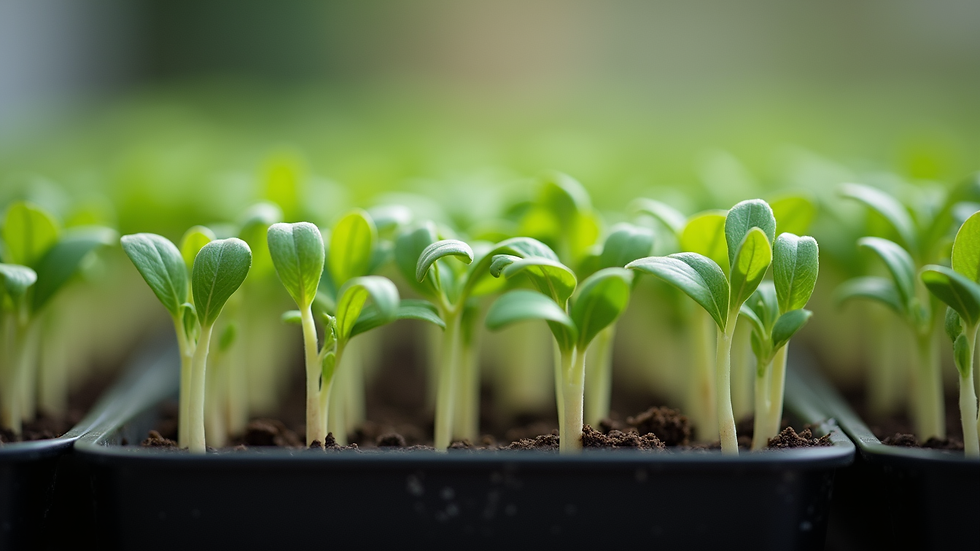
If you want quick results, some plants sprout or grow noticeably within a week. Here are a few you can try:
Fenugreek (Methi): Fenugreek seeds germinate quickly and you can see sprouts in 3-5 days.
Green gram (Moong dal): Moong sprouts appear in about 4-6 days and are nutritious.
Radish: Radish seeds germinate fast, and you can see seedlings in 5-7 days.
Spinach: Spinach seeds sprout within a week and grow fast in cool weather.
These plants are perfect for beginners and small spaces. You can grow them in trays or small pots on your balcony or kitchen window. Watching your plants grow quickly is motivating and fun.
Tips for Maintaining a Healthy Garden
Once your garden is set up, maintaining it is important. Here are some tips to keep your plants healthy:
Regular watering: Check soil moisture before watering. Water deeply but less frequently to encourage strong roots.
Fertilize naturally: Use organic compost or homemade manure to feed your plants. Avoid chemical fertilizers.
Prune regularly: Remove dead leaves and trim overgrown branches to promote new growth.
Watch for pests: Use natural pest control methods like neem oil or garlic spray to protect your plants.
Rotate crops: Change the location of your vegetables each season to prevent soil depletion and pests.
Keeping a gardening journal helps track watering, fertilizing, and growth. This way, you learn what works best for your plants and environment.
Creating a Sustainable Garden at Home
Sustainability is important in gardening. It helps conserve resources and supports the environment. Here are some ways to make your garden eco-friendly:
Rainwater harvesting: Collect rainwater to use for watering your plants.
Composting: Use kitchen waste like vegetable peels and dry leaves to make compost.
Mulching: Cover soil with dry leaves or straw to retain moisture and reduce weeds.
Use native plants: They require less water and care, and support local wildlife.
Avoid plastic pots: Use clay or biodegradable pots to reduce plastic waste.
Sustainable gardening saves money and creates a healthier garden. It also connects you with nature in a meaningful way.
Bringing Your Garden to Life Every Day
Gardening is a journey, not a one-time task. Enjoy the process and celebrate small successes. Here are some final tips to keep your garden vibrant:
Spend a few minutes daily checking your plants.
Talk to your plants - it sounds strange but can be calming.
Experiment with new plants and gardening styles.
Share your garden’s bounty with friends and family.
Use your garden space for relaxation and creativity.
If you want expert help, consider professional garden care services. They can make gardening hassle-free and ensure your garden stays healthy year-round.
For anyone starting or improving their garden, these essential home gardening tips will guide you well. Remember, gardening is about patience, care, and joy. Happy gardening!
For more detailed guidance, check out this home gardening resource to get started with confidence.


Comments